Why We Keep Repeating the Same Mistakes: The Difference Between Regret and Repentance


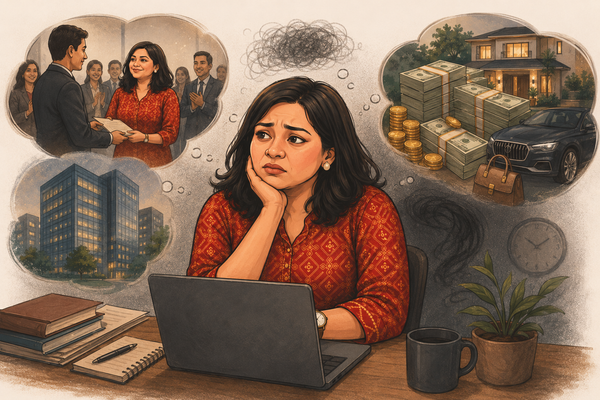
When I stopped scrolling for good and tried to sit quietly with my uncomfortable thoughts (not always successfully), my mind often drifted to the pain I may have caused others through my words and actions. I winced at the guilt it triggered in my heart. This wasn’t the first time I had dwelt on my actions. In my teens, I even kept a journal of the wrong things I had done. I regretted committing such behaviour every time it happened.
And then I moved on.
Only to repeat the same actions.
Again.
I started wondering where this even stops? In this hyperconnected world, all we do is jump between different tasks, posts, and conversations. If something goes wrong, whether it’s the situation or something we did, we either shrug it off, try to fix it quickly, or feel a bit of regret… and then just move on. Only to rinse and repeat everything.
While regret is a necessary response to some of our past actions, we often fail to take it to the next step, which is more important than regret, and that's repentance.
What is repentance?
Repentance, as I understand it, moves through four stages:
- Regret— feeling genuine remorse for one’s actions
- Self-reflection— acknowledging the mistake to oneself
- Asking for forgiveness (if necessary)— acknowledging the harm to the person affected
- Corrective action — actively ensuring the behaviour is not repeated
In Hindu mythology, repentance is called 'paschatap', which becomes transcendental and spiritual when you move to the next level, 'prayaschit' or atonement. Prayaschit is a much harder practice where you will actively participate in charity or consciously take responsibility for your wrongdoing through corrective actions. Traditionally, it is believed that later stages of life should include such acts of moral reconciliation and atonement (as per my limited understanding).
In the Bhagavad Gita, inner transformation and self-reflection are valued far above ritual offerings. Thinkers like Swami Vivekananda often emphasised inner transformation over outward ritual. Then why don’t we practice repentance anymore, even when we know it’s necessary to become better? Have we become so focused on moving forward that we forget the consequences of our actions?
How I practised repentance in the modern world
Over the past two years, I allowed peers and former leaders to shape my perception of another leader at work, which slowly fueled my own negative behaviour. I acted on the information given to me without questioning whether it was entirely true. Looking back, I think I wanted to believe the narrative because it helped me justify the loss of control I felt when a new leader stepped in. Some of the gossip may have had elements of truth, but I should have focused on my work instead of acting in ways that were uncalled for (such as escalating issues to her boss that were not even mine to raise). Despite everything, the new leader never reprimanded me or changed the way she talked to me. She could have easily isolated me and fired me, but she chose to focus on my sincerity and hard work. That is when the weight of my actions finally hit me.
Standing up against something wrong and acting on what you’ve been told is wrong are two very different things.
Eventually, I gathered the courage to apologise to her over a video call and acknowledged what I did and why it was wrong. She chose to show kindness and forgave me. It became one of the most important lessons I have learned about corporate politics. I have stopped believing everything I hear about someone and not create first or even second impressions about anyone, because I am sorry to say, both are misleading in the long run. Most importantly, I stopped badmouthing the leaders altogether. We can never know what really goes on behind the executive doors. Whatever the truth is, I realised that my actions should not be the cause of unnecessary gossip or a negative impact on anyone's work. It has become very natural for us to badmouth people we choose not to like, and I am consciously trying to change this behaviour of mine through constant reminders and giving myself a few seconds to think and analyse before I speak.
Final Thoughts
I strongly believe Paschatap-true repentance deserves a place in modern life again.
In a world where desire, ambition, and resentment often drive action without reflection, repentance may be the discipline that keeps us human.
What is one moment you regret but never truly made right?
If you like what you read here, you can support my writing with a coffee ☕, completely optional.
Don't forget to subscribe as well to receive my articles directly as part of the newsletter. 🙂
Thanks for reading. See you in the margins.